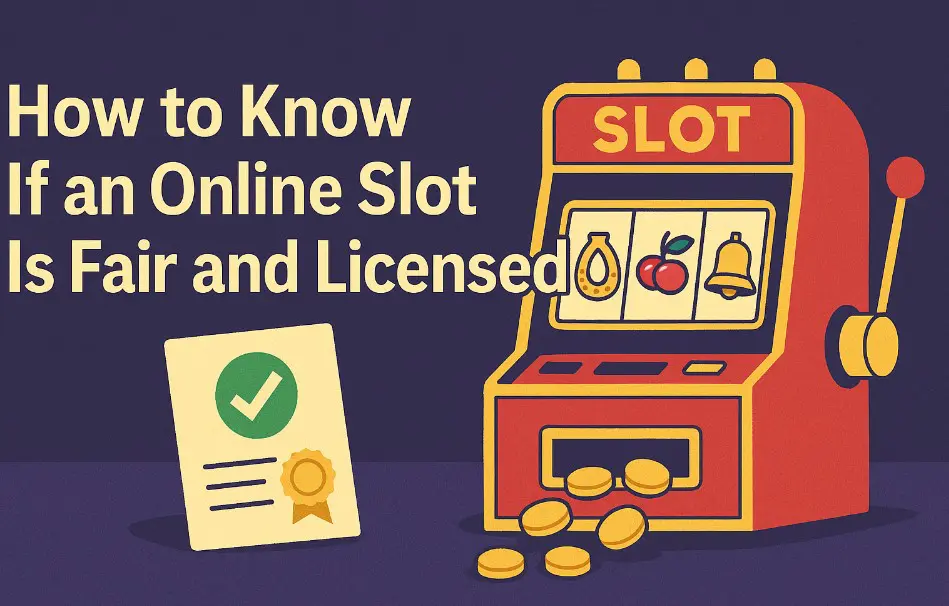
The internet is packed with thousands of slot games, some looking slick enough to belong in a high-end Vegas casino and others feeling like they were coded in a garage. But behind the flashing reels and jackpots lies the bigger question every player eventually asks: how do you know if the slot you’re spinning is actually fair and properly licensed?
I’ve seen people skip that step completely—jump straight into spinning—only to realize too late they were playing on a site that might as well have been run from someone’s basement. So let’s break it down, without the jargon, and with the kind of details you’d want to know if you were about to put your own money on the line.
Understanding Fairness and Licensing in Online Slots
Fairness and licensing aren’t fancy words casinos slap on banners just to look official. They’re the difference between a game you can trust and one that can quietly drain your wallet. A fair online slot uses systems designed to keep results unpredictable, while licensing is the external watchdog keeping the operator honest.
I still remember a mate of mine who thought all slots were “just entertainment” until he noticed a weird pattern where the reels seemed to magically avoid lining up every time he was one symbol away from winning. Turns out, he was playing on an unlicensed offshore site. Lesson learned—if no one’s regulating the house, the house can do whatever it wants.
What Makes an Online Slot Fair?
A fair slot isn’t about how the graphics look or whether the soundtrack gets stuck in your head (though some of them do). It all comes down to the Random Number Generator (RNG) running in the background. Think of it like a digital dice roller—it spits out results at lightning speed, and each spin should be completely independent of the last.
If a slot says it has a Return to Player (RTP) of 96%, you want to know that wasn’t just made up. Over thousands of spins, the math should line up. Of course, you can’t measure it in a single night, which is why independent audits exist.
How Licensing Works for Slot Games
Licensing is like getting a driver’s license but for casinos and game developers—proof that they’ve passed the tests and aren’t running a dodgy operation. Authorities such as the Malta Gaming Authority (MGA) or the UK Gambling Commission check finances, game fairness, and even anti-money laundering measures.
And here’s the kicker: if an operator breaks the rules, regulators can yank their license. That’s not just theory—I’ve seen news of casinos being fined or shut down mid-year because they weren’t protecting players. That accountability is why licensing matters so much.
How to Verify If a Slot Is Fair
You don’t need to be a math professor or a tech geek to figure out whether a slot is fair. You just need to know the telltale signs.
Checking for RNG Certification
Reputable casinos love to brag about their certifications because it builds trust. Look for seals from eCOGRA, iTech Labs, or GLI. They’re the independent referees making sure the RNG isn’t secretly rigged.
I once played on a site where the certificate link was broken. That tiny detail alone made me close the browser. If they can’t even keep their “we’re legit” link working, what are the odds they’re handling the important stuff properly?
Importance of Independent Audits and Testing Labs
Some casinos publish regular audit reports showing payout percentages across all their slots. It’s like seeing a school report card, except instead of grades you get the average RTP. If the site hides this information—or worse, never mentions it—you’re left taking their word for it. And in gambling, trust without proof is a terrible bet.
Recognizing Licensed Online Slots
Even if a slot has a working RNG, it’s still just numbers in a machine. Without licensing, there’s no watchdog making sure the operator doesn’t mess with payouts, account balances, or even withdrawals.
Regulatory Authorities and What They Do
Some regulators are stricter than others. Here are the big names that actually make casinos nervous (in a good way):
- UK Gambling Commission (UKGC): famously tough, especially on protecting players.
- Malta Gaming Authority (MGA): covers loads of European sites, with detailed checks.
- Gibraltar Regulatory Authority: small but solid, often linked to big-name casinos.
- Curacao eGaming: popular but with looser oversight; decent, but you’ll want extra caution.
I once compared two sites side by side—one licensed in Malta, the other in Curacao. The Maltese one had entire pages about player safety and dispute resolution. The Curacao one? A single line: “Licensed under international law.” That’s a big difference.
Signs of Legitimate Licensing
Scroll to the bottom of a casino’s homepage. That’s where they hide the fine print: license number, regulator’s name, sometimes even a clickable link. A missing license number is usually the online equivalent of a pub with no liquor license. Sure, they’re serving drinks, but do you really want to risk it?
Provably Fair Slot Technology Explained
Not all fairness is policed by regulators. Some newer casinos, especially crypto-focused ones, use systems where you can check the fairness.
Blockchain-Based Fairness Systems
These sites use provably fair technology. After each spin, you get cryptographic proof showing the result wasn’t tampered with. It’s like getting to peek behind the curtain at the magic trick.
I tried one of these blockchain casinos out of curiosity. The game showed me the server seed and client seed after my spin, and with a few clicks, I could verify it hadn’t been altered. Honestly, it felt a bit like checking a restaurant’s kitchen before eating—comforting, but also slightly overkill if you already trust the place.
Identifying Red Flags and Avoiding Rigged Slots
The harsh truth? Shady operators are still around. Some even copy well-known slots, slap a fake logo on them, and hope players don’t notice. Staying alert saves more than money—it saves the whole experience from turning sour.
Common Warning Signs
Here’s a quick mental checklist I keep in my back pocket:
- No regulator or license info anywhere on the site.
- Bonus offers that sound too good to be true (they usually are).
- Games that copy the look of famous slots but with slightly different names.
- Websites without proper HTTPS security.
- Negative chatter in gambling forums—players don’t stay quiet if they’ve been burned.
If I spot two or more of these signs, I close the tab faster than a losing spin.
FAQs About Fair and Licensed Online Slot Games
How do I know if a slot game is certified?
Look for seals from eCOGRA, iTech Labs, or GLI. Reputable casinos often link certificates directly. If you can’t find them, be cautious.
Which regulators are the most trustworthy?
The UK Gambling Commission and Malta Gaming Authority sit at the top. Their rules are strict and very player-focused.
Are all Curacao-licensed casinos unsafe?
Not at all. Some are fine, but because oversight is lighter, you’ll want to double-check other factors like audits and player reviews.
Do licensed slots guarantee winnings?
Nope. Licensing guarantees fairness of odds, not outcomes. Slots remain games of chance, and the house edge always exists.
What’s the safest way to avoid rigged slots?
Stick with well-known casinos, check license details against the regulator’s site, and don’t fall for platforms that hide or dodge credentials.